Podcast: How Sea the City scales operations with marketing that doesn’t discount
Listen to our newest episode!
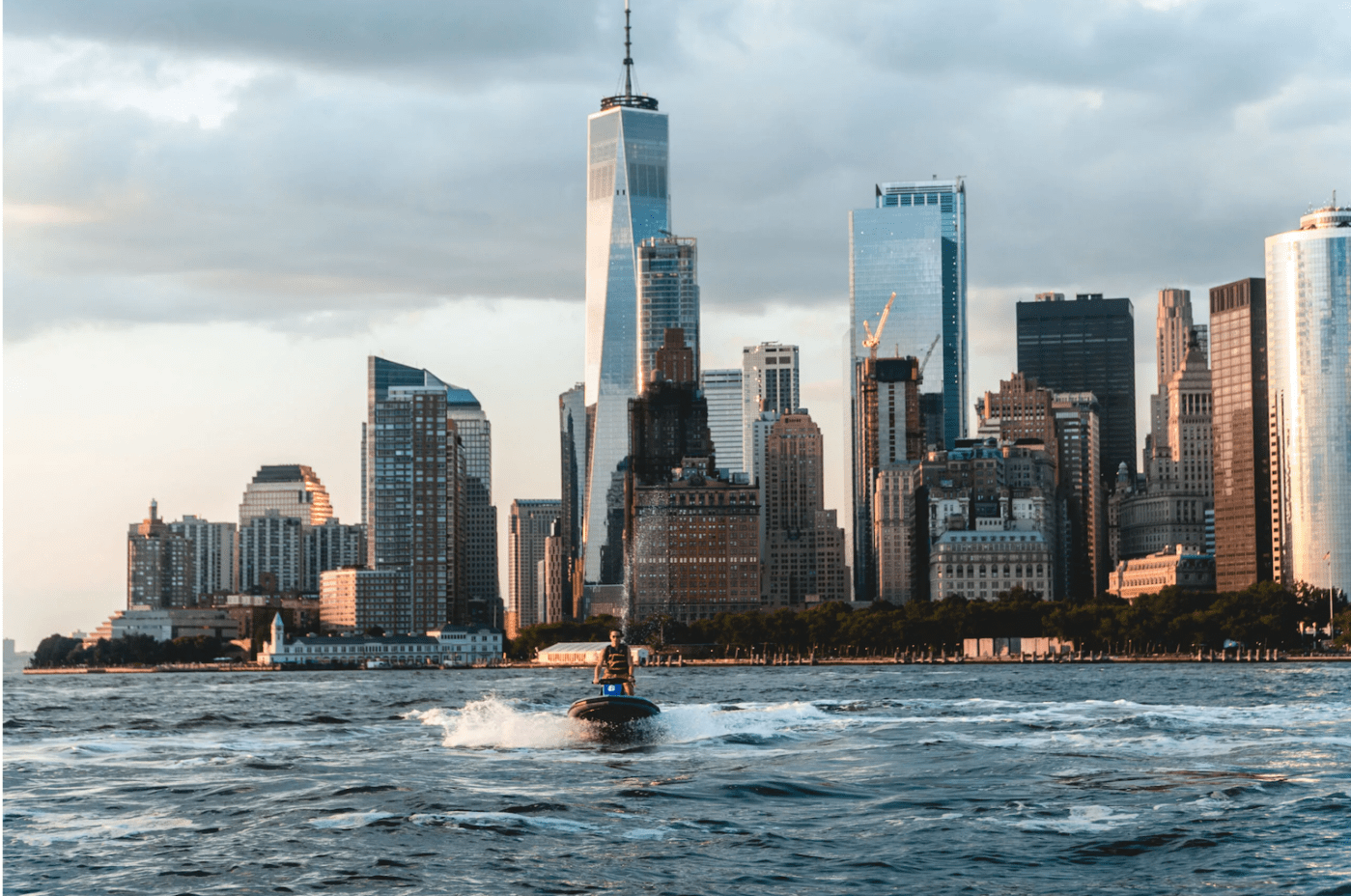
How Sea the City built a standout water experience brand in New York City and why smart tracking, authentic marketing, and disciplined pricing fuel their growth.
Listen to the episode: How Sea the City Drives Demand with Influencers, Affiliates, and Analytics
Host: Rebecca Costley
Guest Adam, Founder of Sea the City
Episode overview
In this episode of Growth Powered by FareHarbor, Adam, founder of Sea the City, shares how he built a water-based tourism business that stands out in the competitive New York City environment. What started in 2015 as a three–jet ski operation has grown into two distinct experiences, jet ski tours and luxury hot tub boat rentals, across New York City and Washington, D.C.
Adam walks through how influencer marketing, affiliate strategy, pricing discipline, and FareHarbor tracking tools help Sea the City grow without relying on heavy discounting or guesswork. It’s a masterclass in balancing brand, data, and operational clarity.
Key takeaways
Build two experiences, not just one product
Sea the City didn’t just add inventory. They built two completely different guest mindsets.
Jet ski tours offer adventure and a unique way to see New York City from the water. Guests feel like they’re conquering the Hudson and East Rivers. Whereas the hot tub boat delivers something entirely different: luxury, privacy, and celebration.
“If you find yourself in a hot tub at sunset looking at the Statue of Liberty, you’ve probably made some good decisions.”
By serving different intents, Sea the City balances demand across seasons, guest types, and trip purposes.
Influencer marketing works when it’s measurable
Sea the City doesn’t pay influencers upfront.
“We don’t pay influencers. We say, here’s a promo code. Use it. If someone books, you get a commission. Simple.”
Instead of offering percentage discounts, they share value-added perks like free photos or complimentary towels. This protects margins while keeping the experience premium.
Behind the scenes, FareHarbor Campaigns track every code. The team can clearly see which partnerships drive actual bookings and not just engagement.
Protect your direct funnel first
Influencer content can generate demand, but only if your website converts and your tracking is dialed in.
Adam emphasizes the importance of having:
- A conversion-focused website
- Clean analytics and attribution
- A habit of reviewing performance year over year
“If you can’t measure it, you can’t scale it.”
In 2025, 88% of Sea the City’s bookings still came directly through their website, proof that strong branding and conversion discipline matter.
Read more about Sea the City’s methods in their customer success story here.
Distribution should smooth demand, not replace direct sales
Sea the City historically had only about 1.5% of bookings come from non-direct channels. That number has grown to 8%, largely through GetYourGuide.
“We get very little international tourism to the boat… GetYourGuide will give us more of that exposure to European customers, and with that comes more weekday business.”
The goal isn’t to replace direct bookings. It’s to fill weekday gaps, reach international guests, and diversify demand strategically.
Reduce discounting. Increase perceived value.
In 2025, Sea the City made a deliberate shift away from percentage-off discounts.
Instead, they slightly adjusted pricing and emphasized high-perceived-value add-ons like free photo packages or towel rentals.
This approach protects margins while still delivering something guests appreciate and mention in reviews.
Word of mouth scales when the experience is strong
Rather than building complicated referral systems, Sea the City focuses on delivering an experience guests want to talk about.
“The most important thing is someone refers a friend… and that friend says, ‘My god, I’m so glad you sent me to Sea the City.’”
Small touches like free champagne for repeat guests turn loyalty into advocacy.
Prepare early for major events
With the 2026 World Cup coming to the region, Sea the City is planning ahead.
- Building event-specific landing pages
- Hiring bilingual Spanish-speaking guides
- Creating content to capture “things to do” search traffic
Instead of reacting to demand, they’re positioning themselves to convert it.
Links mentioned in the episode
- Sea the City: https://www.seathecity.com
- Follow Sea the City on Instagram
- Learn more about FareHarbor Campaigns and affiliate tracking
Ready to grow with clarity?
Sea the City proves that growth doesn’t require flashy tactics. It requires measurable marketing, disciplined pricing, and systems that support your team during peak demand.
Subscribe to Growth Powered by FareHarbor on Spotify, Apple Podcasts, or YouTube.