Are snow tours becoming more popular?
Operators who adapt early are better positioned to turn winter demand into sustained growth.
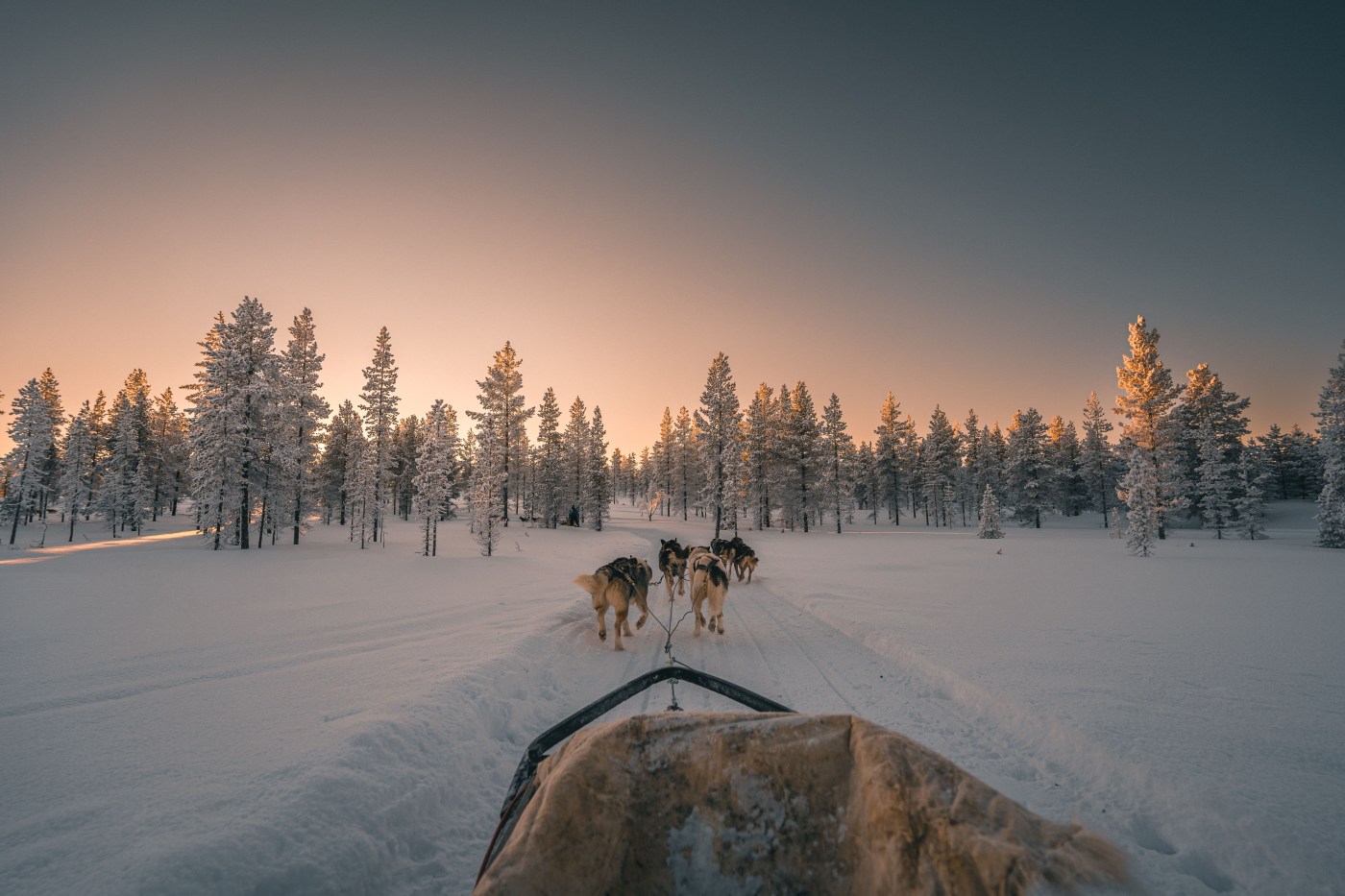
Winter experiences are growing faster than many traditional tour categories.
FareHarbor’s Beneath the Surface 2026 report shows strong year-over-year growth in snow-based activities like Northern Lights viewing, snowmobiling, and snowshoeing — with demand accelerating in key winter destinations. Travelers are booking earlier, converting quickly, and increasingly building trips around these experiences rather than treating them as secondary add-ons.
This isn’t just seasonal demand. It reflects a broader shift in how travelers prioritize destination-specific experiences.
For operators, this is a moment to rethink how winter is positioned, not as a slow season, but as a premium, high-conversion window with real growth potential.
In this post, we’ll break down what’s driving the boom, how traveler behavior is changing, and what it means for your business this season and beyond.
Winter destinations and guided snow tours see outsized growth
Winter destinations are not just holding steady. In many cases, they are outperforming traditional travel markets.
Our data shows that Finland saw nearly 30% year over year revenue growth, making it one of the fastest-growing countries in the study. That level of growth stands out against more established and historically high-demand destinations.
While Finland is known for many winter activities, travelers are increasingly drawn to immersive winter activities like Northern Lights photography tours, reindeer encounters, and guided snow experiences. Travelers seek memorable moments over performance-driven sports.
This reflects a broader shift in winter travel. Snowy destinations are no longer appealing only to athletes or adventure specialists. They are attracting travelers who want a distinctive environment, a strong sense of place, and experiences that feel unique to the destination.
For tour operators in cold climate markets, this growth is a strong signal. Demand for snow experiences is expanding beyond a narrow audience, creating opportunities for a wider range of winter tours to succeed.
Worried about unpredictable weather or operational complexity? Operators are increasingly using waitlists, timed inventory release, and flexible refund policies to maintain stability in changing conditions.
Snow activities lead all categories in revenue growth
The growth in snow tourism is not limited to a few standout destinations. It becomes even clearer when looking at experience categories overall.
Our study shows that winter tours and snow activities experienced the highest year-over-year revenue growth of any category, at over 10% globally. No other activity type matched that pace.
This could suggest that snow experiences are no longer limited to peak ski travelers or repeat winter visitors. They could draw first-time winter travelers, international guests, and travelers looking for something distinctly different from warm weather or city-based experiences.
Travelers are booking snow experiences earlier
Growth alone does not tell the full story. How travelers book snow experiences matters just as much as how many book them.
Our study shows that booking windows for snow activities increased across all regions. Travelers are committing earlier in the planning process, often well before arrival. This signals higher intent and greater confidence in snow-based experiences.
Longer booking windows show that snow activities are essential to trip planning, not just last-minute additions.
For tour operators, earlier bookings create tangible operational advantages. More lead time improves forecasting, staffing decisions, and capacity planning. It also provides a longer runway for marketing, pricing adjustments, and upsell opportunities.
Snow tours convert like travel essentials
Booking behavior reinforces just how intentional snow travel has become.
Our study shows that only transport and lodging convert at higher rates than snow activities. Among experience categories, snow tours outperform all other discretionary activities, placing them in rare company.
Snow tours convert nearly as well as lodging and transport, showing that when travelers reach a snow tour page, they are often ready to commit.
This level of conversion signals confidence. Travelers know what they want, understand the value of the experience, and are less likely to browse casually. Snow tours are no longer treated as optional extras. They are prioritized decisions within the trip planning process.
Well-structured booking pages, focused offerings, and minimal friction can make a measurable difference when demand is already primed.
What this trend means and how snow tour operators can respond
Snow tours are becoming trip-defining experiences. Travelers are planning earlier, booking with confidence, and prioritizing these activities alongside core travel components.
This creates a strong opportunity to plan ahead and capture demand more intentionally.
How to respond to growing snow tour demand
- Plan and publish earlier
Longer booking windows mean travelers are committing months in advance. Releasing winter and shoulder month calendars earlier helps capture demand before it shifts elsewhere. - Position snow tours as core experiences
High conversion rates show these activities are already viewed as essential. Marketing, imagery, and descriptions should reflect that priority rather than treating snow tours as optional add-ons. - Simplify the booking experience
High-intent travelers value speed and clarity. Streamlined booking flows, clear inclusions, and focused offerings reduce friction and increase completed bookings. - Stay flexible without losing revenue
Weather still impacts operations, but waitlists and dynamic availability help recapture demand when conditions change or spots reopen. - Use booking data to guide decisions
Earlier bookings provide earlier insight. Tracking booking pace and demand by date allows operators to adjust staffing, pricing, and capacity before peak periods arrive.
Snow experiences are reaching a broader audience and driving measurable results across regions. Operators who adapt early are better positioned to turn winter demand into sustained growth.
Want to explore the data behind this trend?
Sign up to receive the full Beneath the Surface 2026 report for a deeper look at snow activity growth, booking behavior, and what these shifts mean for tour operators worldwide.