Using dynamic pricing without hurting long-term demand
Dynamic pricing isn’t just about making more money today. It also shapes how customers feel about your business tomorrow.
If you’ve ever watched a flight price rise and fall over a few days, you’ve already seen Dynamic Pricing in action. Airlines and hotels have relied on this approach for years, having their prices change based on demand, availability, and timing. And now, tour and activity operators are starting to use it as well.
With FareHarbor, you can set Dynamic Pricing rules that allow you to adjust prices on factors like how full an experience is or how close it is to departure. Implemented successfully, this tool can help you fill spots, capture demand, and improve revenue.
But Dynamic Pricing isn’t just about maximizing bookings today.
As FareHarbor engineer Vladimir Bazhin recently explored, pricing decisions also shape how customers think and feel about your business over time. Research shows that customers remember prices, form expectations, and react strongly when prices change too suddenly or feel unfair. Those reactions can influence future bookings, reviews, and long-term revenue.
For the full academic deep dive and citations, read Vladimir Bazhin’s original article here.
The core insight: Customers don’t always react to price. They react to the change in price.
Most pricing systems focus on one question: What price makes the most money right now?
Research shows this short-term approach often underperforms over time. That’s because customers carry a reference price — an internal benchmark based on past prices, promotions, and what feels fair. When today’s price jumps too far above that point, customers experience it as a loss, even if demand supports it.
Key takeaways from Dynamic Pricing research:
- Large price increases hurt conversion more than equivalent decreases help it
- Even returning to the original price after the increase doesn’t recover the conversion
- Frequent large surges and deep discounts train customers to wait and shop around
- Once trust or fairness is damaged, future revenue becomes harder to recover
- Better long-term results usually come from slower, smoother price changes, even if prices stay slightly below the short-term max
Overall, the best pricing strategy focuses on a price path, not a price point. A price path is the story your prices tell over time, not just where they end up, but how they move.
What this means for tours & activities
This is where tours, attractions, and activities differ from retail.
A t-shirt unsold today can be sold tomorrow.
A 2pm tour seat that goes empty is gone forever.
This means that as a tour operator, you can’t recover that time-slot from a bad price. That “use it or lose it” reality makes Dynamic Pricing more powerful and potentially more dangerous for tours and activities.
Below are practical recommendations based on four key factors that matter most for FareHarbor operators.
1. Repeat customers vs. one-time travelers
If you have recurring customers (locals, membership holders, repeat bookers)
Examples: Local attractions, classes, workshops, rentals, seasonal pass holders, and businesses with strong word-of-mouth
What matters most:
- Long-term customer value, not just one-time sales
- Trust and a sense of fairness
- Stable, predictable pricing
Recommended strategy:
- Keep price changes smooth and predictable
- Avoid sharp spikes, even during high demand
- Regular discounts train customers to rely on them
- Reward loyalty with early access, member pricing, or off-peak perks
Takeaway: For recurring customers, aggressive pricing can quietly damage future revenue.
Example:Mid-sized rental business (repeat locals)Scenario: A lot of bookings come from locals who return multiple times each season and recommend the business to friends. Bad practice: Big, sudden spikes on busy days (e.g., $30/hour -> $45/hour just because it’s sunny).
|
If you mostly sell to one-time travelers
Examples: Destination tours, vacation activities, shore excursions
What matters most:
- Conversion during short booking windows
- Reviews and reputation
- Fair pricing, even without repeat purchases
Recommended strategy:
- Use dynamic pricing, but with clear guardrails
- Make price changes gradual and explainable
- Avoid extreme surges that spill into reviews
Takeaway: You may not get a second purchase, but you will get a second impression.
Example:Hiking tour (tourists, review-sensitive)Scenario: Weather turns perfect and demand surges the day before. It’s tempting to raise prices aggressively. Bad practice: A last-minute jump from $65 -> $95 overnight. Good strategy: Put guardrails on last-minute changes so the price feels reasonable:
|
2. Limited supply vs. virtually unlimited supply
Limited supply (boats, vehicles, guides, fixed capacity)
This is where Dynamic Pricing shines —when used carefully.
Best practices:
- Raise prices gradually, not suddenly
- Use clear minimums and maximums
- Increase prices earlier instead of relying on last-minute spikes
Late, aggressive surges feel unfair and can scare customers away. Early, gradual, and modest increases reset expectations and protect conversions.
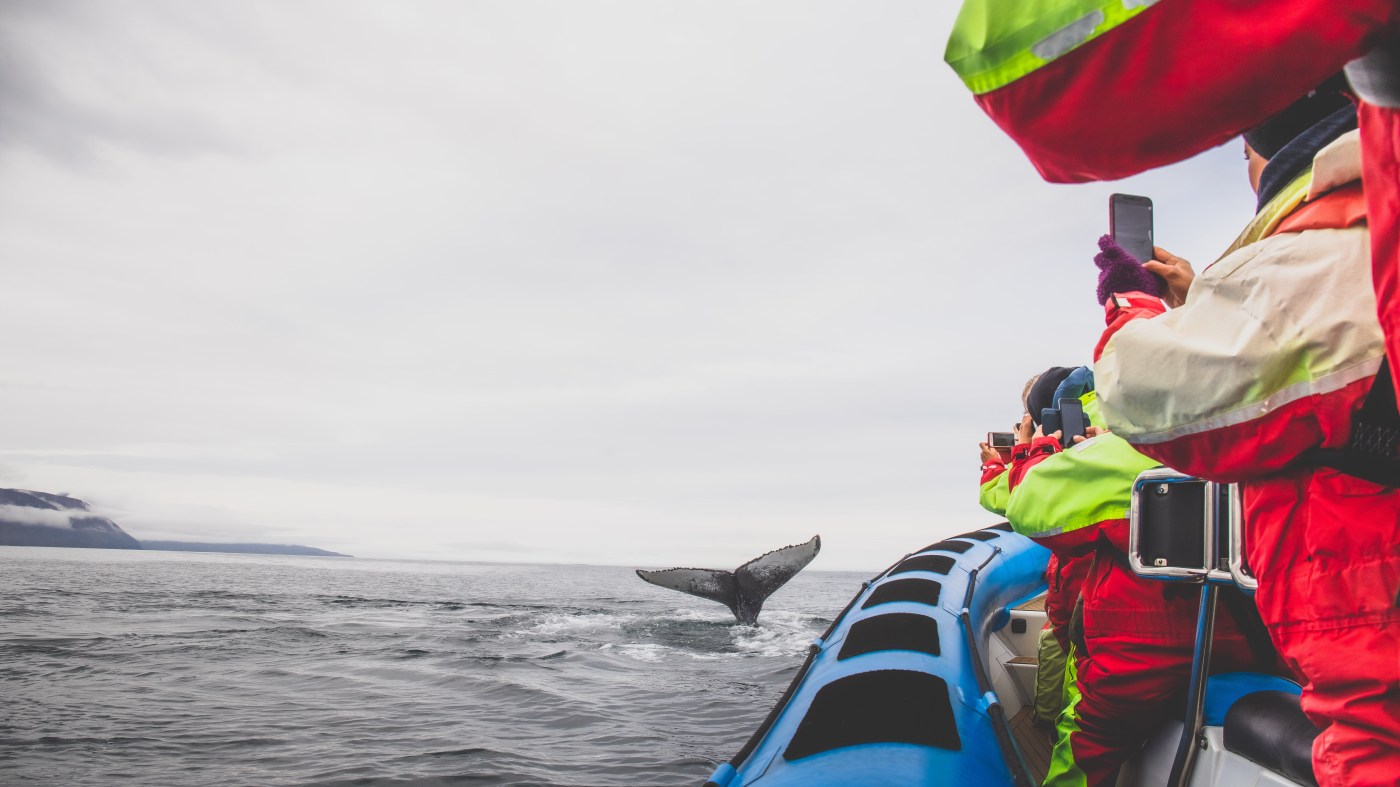
Example:Whale tour (fixed capacity, tourists, reviews matter)Scenario: A sunny weekend forecast hits and Saturday departures start filling fast. Two days out, the 10am tour is already ~75% booked. Bad practice: At 75% full, jump the adult ticket from $79 to $119 overnight. Good strategy: Allow prices to rise, but keep changes controlled and explainable:
|
Virtually unlimited supply (large venues, scalable experiences)
Best practices:
- Focus less on raising prices and more on shaping demand
- Use pricing to steer toward specific time slots, bundles, or formats
- Avoid heavy and frequent discounting that pushes expected prices downward
When supply isn’t the constraint, training customers to wait for discounts hurts more than it helps.
Example:Aquarium entry (high capacity, goal is smoothing demand)Scenario: Midday is packed during school holidays; mornings are quiet. Capacity isn’t the real constraint. Bad practice: Heavy, frequent public discounts that train people to wait. Good strategy: Keep the main price stable and steer demand gently:
Why it works: You guide traffic without resetting everyone’s “expected price” downward. |
3. High season vs. low season pricing
High season
Recommended approach:
- Raise prices earlier, not faster
- Set reasonable price ceiling
- Set expectations well before peak demand hits
Customers accept higher prices when they feel predictable and justified (“peak season”), but react negatively to sudden spikes.
Example:Halloween trail experience (peak season expectation-setting)Scenario: October weekends always sell strongly. Bad practice: Keep September tickets at $32, then flip to $45 on October 1. Good strategy: Set peak pricing expectations in advance and use a transition period:
In practice:
|
Low season
Recommended approach:
- Use targeted or conditional discounts instead of blanket price cuts
- Keep promotions short and infrequent
- Consider value-added offers like bundles, upgrades, extras
Frequent discounts lower customers’ expected prices and train them to delay purchases — a pattern that’s hard to undo.
Example:Low season walking tour (avoid blanket discounts) Situation: Winter demand is softer, and the operator wants to give people a reason to book without making the ticket feel “cheap.” Bad practice: Drop the base ticket from $55 to $39 for the whole winter. Good strategy: Keep the base price stable and offer a winter-only bundle. In practice: Ticket stays $55, but the “Winter Comfort Bundle” is $59 and includes hot drink + blanket rental (or “priority indoor seating”). |
4. Promotions, discounts, and “training” your customers
Research across retail and online marketplaces shows:
- Promotions mostly shift when people book, not how much they buy
- Long-term volume rarely increases
- Customers become more price-sensitive and strategic
For tours & activities:
- Keep promotions short and infrequent
- Avoid predictable discount cycles
- Use segmentation (locals, loyalty, off-peak) instead of public price slashing
- Position offers as “specials” or added value, not just lower prices
Example:Situation: Locals book repeatedly in summer. The operator tries to boost weekdays. Bad practice: Run a predictable promo like “Every Tuesday is 20% off.” After a few weeks, people stop booking other days and just wait for Tuesday. Total bookings don’t rise much – they just move. Good strategy: Avoid a public routine. Use promos as a tactical tool, not a weekly habit:
In practice: Instead of “Tuesday discount,” they do a rare 48-hour locals offer during a slow week, or a “weekday bonus” value-add that isn’t on a predictable schedule. |
The bottom line: Sustainable pricing beats short-term pricing
Our team’s research reinforces a simple but powerful rule: Maximizing today’s revenue is not the same as maximizing your business’s revenue potential.
For tour and activity operators, where inventory is perishable, reviews matter, and trust builds over time, the safest strategy is:
- Optimize for long-term outcomes
- Respect what customers expect and what feels fair
- Make price changes gradual and intentional
- Use dynamic pricing to guide demand, not surprise customers
Dynamic pricing works best when it feels earned, understandable, and consistent — not opportunistic.
For the full research-backed deep dive into reference prices, fairness, and long-term pricing strategies, read Vladimir’s original article here.